
Cyber Command plans Silicon Valley office to drive innovation
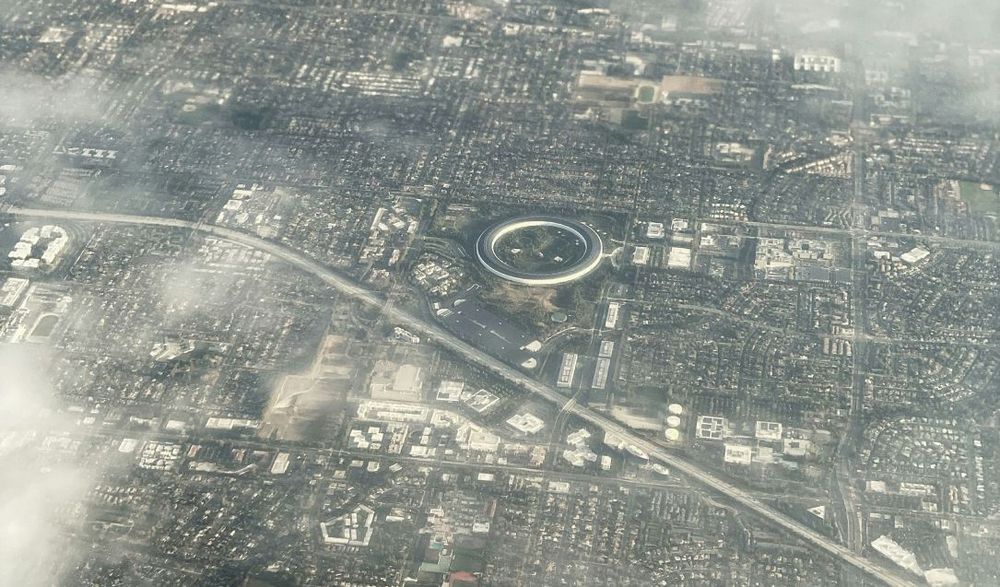
U.S. Cyber Command is looking to open an outpost in Silicon Valley as a way to build new relationships with the tech sector and bolster a major pillar of its internal modernization overhaul.
Officials hope to establish the satellite office, dubbed Cyber Command-West (CC-W), as soon as possible, according to three people familiar with the planning. It will initially be co-located at the existing Defense Innovation Unit — the Pentagon’s high-profile innovation arm — and feature a handful of personnel before expanding, these people, who spoke on the condition of anonymity, said.
It will have its own director, though no one has yet been named for the post, and support the command’s nascent Cyber Innovation Warfare Center (CIWC), one of three entities created under the recent “CYBERCOM 2.0” initiative. The revamp of the military’s top digital warfighting unit’s structure and forces, which began under the Biden administration, was fast-tracked by Defense Secretary Pete Hegseth last year.
The innovation hub’s goal is to accelerate the command’s cyber weapons and online tactics and bridge the so-called “valley of death” — the time between the demonstration of a new technology and when the federal government buys it — so that such tools can be used in digital operations in a timely fashion. The two other organizations are a Cyber Talent Management Organization and an Advanced Cyber Training and Education Center.
The center “will be our proving ground, a collaborative environment where operators and industry will sit side by side to test new concepts against realistic threats and operational scenarios,” Katie Sutton, assistant secretary of Defense for cyber policy, said at the TechNet Cyber conference in Baltimore last month.
“The CIWC will bring our warfighters and industry developers into the same room to build and iterate together based on real-world operator feedback by forging this direct link between those who build the tools and those who wield them.”
The idea of a West Coast branch that will eventually house part of the innovation center’s mission arose from talks between Cyber Command and the Pentagon, where Deputy Defense Secretary Steve Feinberg has taken a deep interest in elevating the country’s cyber capabilities, according to sources.
While many cutting-edge software companies, including prominent artificial intelligence firms, have a presence in the Washington area, in creating a sister office in California the command hopes to rub shoulders with both established and up-and-coming firms, as well as find new cyber talent who could become operators.
Spokespeople from the Pentagon and Cyber Command said they had "nothing to announce at this time."
It’s unclear just how much the expansion has been shared within national security circles, or even on Capitol Hill, where several congressional sources said they were unfamiliar with the idea.
However, Rep. Don Bacon (R-NE), who chairs the House Armed Services cyber subcommittee, welcomed the news.
“There’s great synergy to have our cyber forces working alongside Silicon Valley,” he told Recorded Future News. “AI, for example, is transforming cyber offense and defensive [operations].”
Retired Air Force Lt. Gen. Charlie “Tuna” Moore, former deputy commander of U.S. Cyber Command, called the creation of the innovation cyber a “very good idea and represents the further maturity of the command.”
“Setting it up out West is smart because of the organizations that are located there as well as the talent,” he added. “As I have said many times, the only way we can scale Cyber Command operations, in terms of capacity and capability, to meet the needs of the nation is via a much stronger partnership with the private sector. This is an important step to accomplish that.”


Martin Matishak
is the senior cybersecurity reporter for The Record. Prior to joining Recorded Future News in 2021, he spent more than five years at Politico, where he covered digital and national security developments across Capitol Hill, the Pentagon and the U.S. intelligence community. He previously was a reporter at The Hill, National Journal Group and Inside Washington Publishers.